
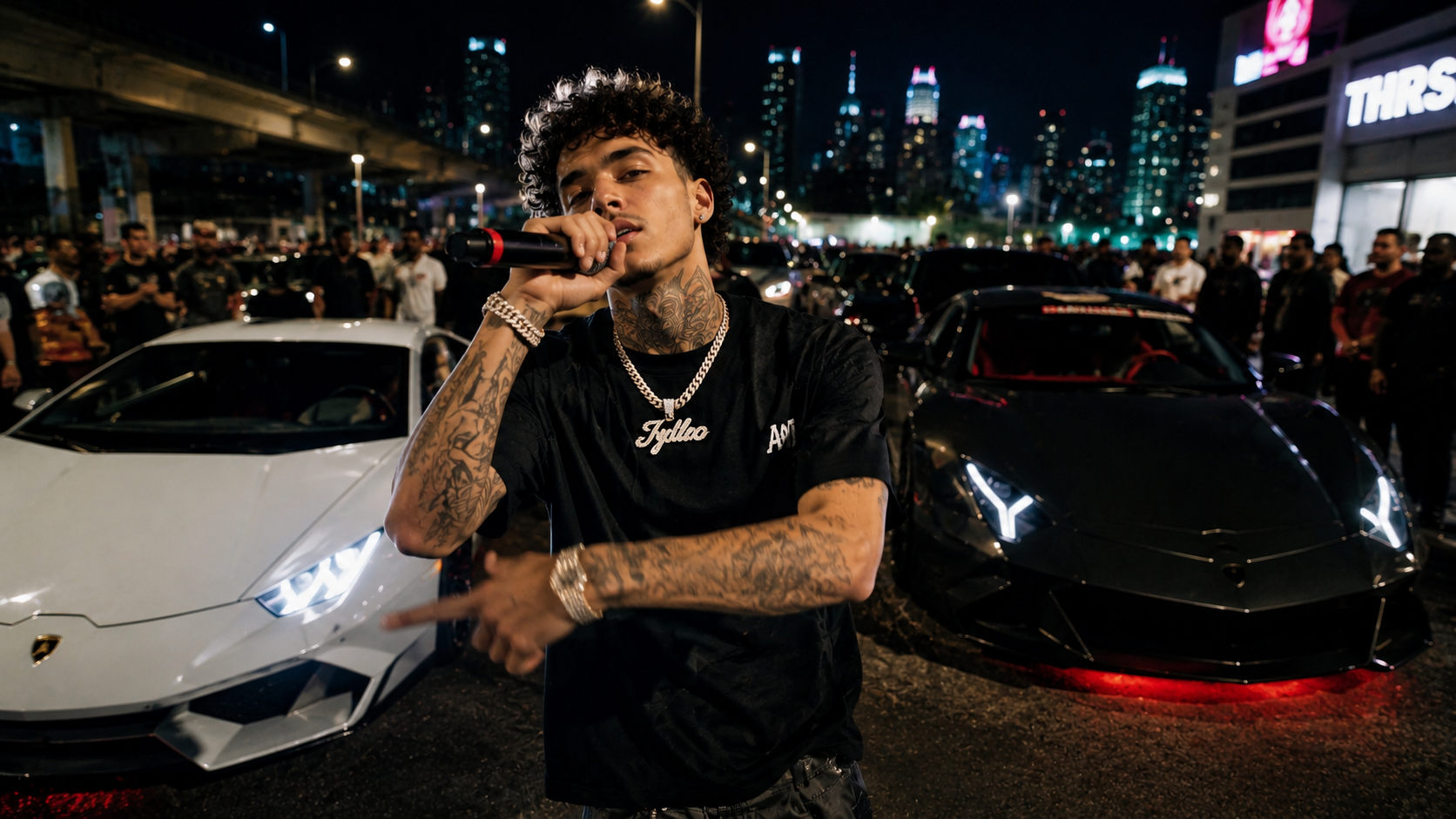
How to Create a Cinematic Rap Music Video with AI
Creating a cinematic Rap music video requires more than just generating video clips—it relies on thoughtful camera movement, visual storytelling, and strong artist presence. How to create a music video like this? With AI-powered tools like Sondo AI, it's easier than ever to experiment with cinematic styles and bring creative music video ideas to life.
The appeal of a Rap music video goes beyond the music itself. It also comes from impactful camera movements, a strong artist presence, and visually compelling storytelling. Today, many creators can quickly generate video content using AI tools, but creating a truly cinematic Rap music video requires more than simply generating footage.
Professional-looking Rap music videos often rely on thoughtful camera movement design. By applying classic cinematic techniques and visual storytelling principles, creators can make their Rap videos more dynamic, immersive, and engaging.
What Is Cinematic Camera Movement?
Cinematic camera movement refers to the use of camera motion to enhance visual tension, emotional impact, and storytelling.
In Rap music videos, some of the most common camera movements include:
Dolly In
Dolly Out
Orbit Shot
Tracking Shot
Drone Dive
Crane Shot
Handheld Style
These techniques help create a greater sense of power, speed, and immersion.
The 5 Best AI Camera Movements for Rap Music Videos
Orbit Shot
An Orbit Shot involves the camera moving around the performer while keeping them as the visual focal point. As the background continuously changes, the artist remains at the center of attention. This technique effectively emphasizes the artist's importance and creates the feeling that the world revolves around them, enhancing their star power and stage presence.
Orbit shots work particularly well in rooftop performances, street scenes, center-stage performances, and luxury car showcases, helping to amplify the artist's charisma and visual impact.
Push-In Shot
A Push-In Shot creates a strong sense of intensity and emotional tension. As the camera gradually moves closer, the artist's facial expressions, eye contact, and emotions become increasingly powerful, making it especially effective during lyrical highlights. Timing is crucial with this technique. If the movement is too slow, it may feel dull; if it's too fast, it can feel overly aggressive.
Push-In Shots are ideal for chorus sections, diss tracks, emotional statements, and moments of strong self-expression. They are commonly used in close-up shots, mid-shots, and emotionally driven performance scenes.
Tracking Shot
The greatest strength of a Tracking Shot is immersion. Viewers feel as though they are walking alongside the artist, moving through streets and environments together. This creates a stronger sense of storytelling and often resembles footage captured in a professionally produced music video.
Tracking shots are commonly used for street walks, nighttime city scenes, artist entrances, group movements, and narrative-driven sequences. They are particularly effective for showcasing urban culture and lifestyle aesthetics.
Drone Shot
The core advantage of a Drone Shot is its cinematic scale and spatial depth. Large environments such as city skylines, rooftop locations, highways, and coastlines are ideal for drone perspectives. Through aerial views, pull-back shots, and flying movements, creators can quickly establish the scale of a location and create a blockbuster-like visual experience.
Drone shots are especially useful for opening sequences, scene transitions, and ending shots.
Crane Shot
A Crane Shot creates spatial depth through vertical camera movement. This technique is highly effective at creating a sense of reveal and grandeur. When the camera rises from a lower position, it can make the artist appear more powerful and dominant. When moving downward from above, it can create feelings of mystery or pressure.
Compared to standard push or pull shots, crane movements often feel more cinematic, making them a popular choice for artist introductions, climactic moments, and final scenes.
Comparison of Popular Rap Music Video Camera Movements
Key Techniques for Achieving a Cinematic Look
Maintain a Consistent Visual Style
The best Rap music videos are built around a clear visual direction.
Whether the style is street-inspired, neon-lit nightlife, futuristic cyber aesthetics, or luxury lifestyle visuals, maintaining consistency in locations, wardrobe, lighting, and color grading helps create a polished and professional final result.
Match Camera Movement to the Music
Camera movement should complement the rhythm and energy of the song.
When visual pacing aligns with musical pacing, viewers experience a stronger sense of immersion and engagement.
Control Camera Complexity
Many creators try to showcase too many camera techniques within a short period of time. However, excessive camera movement can distract viewers from the performance.
Rather than layering multiple effects into every shot, each camera movement should serve a clear creative purpose. Simple and intentional camera work is often more effective than overly complex movement.
Pay Attention to Visual Consistency
When creating AI-generated videos, maintaining consistency in character appearance, clothing, environments, and lighting is equally important.
Strong visual continuity helps different shots blend together naturally and creates a more professional viewing experience.
As AI video generation technology continues to evolve, creators can experiment with a wider range of cinematic techniques and visual styles than ever before. Tools like Sondo AI not only help users generate music videos quickly, but also provide more opportunities to explore dynamic camera movements, creative visual storytelling, and performance-driven scenes, opening up new possibilities for Rap music video production.
With Sondo AI, the ultimate creative expression tool, we hope you'll bring your ideas to life and create music videos that are uniquely yours.