
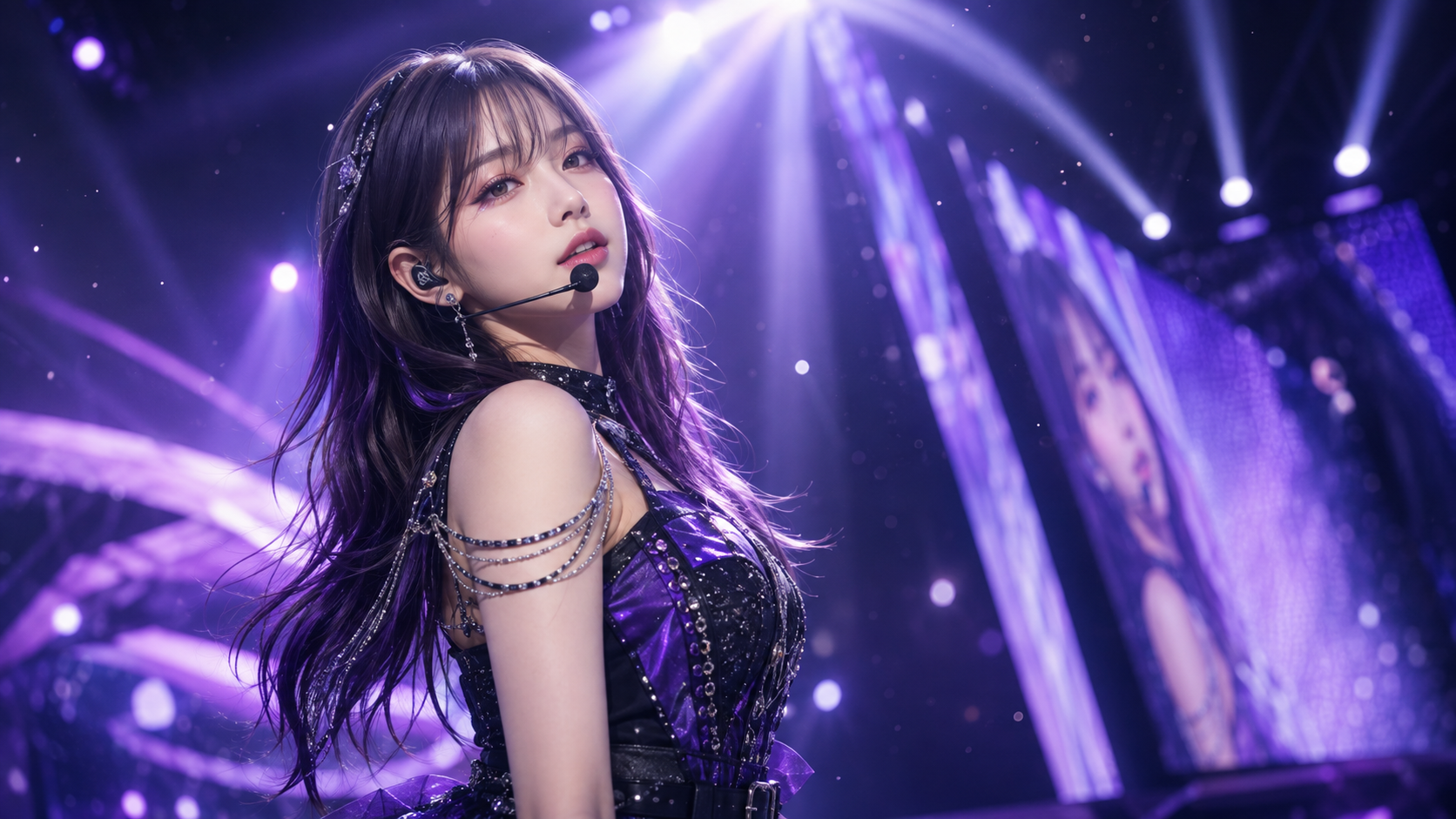
How to Create a Virtual Idol: A Guide to Virtual Creators
What is an AI idol? Explore how virtual creators combine character identity, visual style, music, performance content, and AI-generated music videos to build a recognizable digital artist.
Creating a virtual character has become relatively easy. Creating one people can recognize, remember, and follow over time is much harder.
That difference matters even more for virtual idols. An idol is expected to exist across profile images, social content, performances, song releases, and music videos while still feeling like the same artist.
The goal is not simply to create a convincing digital face. It is to build a consistent visual identity that can develop across music, performance, and an ongoing story.
What Is a Virtual Idol?
A virtual idol is a digitally created performer with a recognizable character identity, visual style, and often a musical or performance-driven presence.
Unlike a general virtual influencer, whose content may focus mainly on lifestyle, fashion, or brand collaborations, a virtual idol is usually built around music, performance, fandom, and progression.
One of the best-known examples is Hatsune Miku, whose identity extends far beyond a single character illustration. Her recognizable design, music ecosystem, live performances, and extensive creator community have helped turn her into a long-running virtual performer.
Another useful reference is K/DA, the virtual music group created around League of Legends characters. Music releases, character design, choreography, and cinematic visuals work together as one entertainment package rather than as separate pieces of content.
Both show the same broader principle: the character becomes more compelling when visual identity and performance reinforce each other.
How to Create a Virtual Idol
Start With a Character People Can Follow
Before thinking about dozens of outfits or environments, the virtual idol needs a clear premise.
For example:
A newly debuted AI idol who is completely convinced she will become the world’s No. 1 idol.
She has ambition, but very little experience.
That gap creates natural momentum. Her first recording session, first performance, first original song, and first music video all become meaningful because they belong to the same journey.
This is more useful than a broad description such as “an AI girl who likes singing and dancing.” A strong concept gives each new piece of visual content a reason to exist.
Make Personality Visible
A virtual idol's personality should be recognizable before the audience reads a character biography.
Consider a personality built around:
Confidence, competitiveness, a tough exterior, and an unexpected tendency to become embarrassed by genuine compliments.
Those traits can appear visually.
She might look completely unsurprised after winning a challenge, refuse to admit defeat after making a mistake, or immediately look away when a fan praises her.
Small reactions like these make a character feel more consistent than simply labeling her “cute” or “energetic.”
For visual-first virtual idols, personality is not only something they say. It is something viewers should be able to see.
Build a Recognizable Visual Identity
Consistency does not mean every image must look identical.
It means there should be a recognizable core.
Facial structure, hairstyle, color palette, proportions, and signature details can remain relatively stable, while costumes, environments, makeup, lighting, and performance concepts change from release to release.
This balance is important.
Too much variation and the character begins to feel disconnected. Too little variation and the visual world quickly becomes repetitive.
A good virtual idol should be recognizable in a casual portrait, a stage costume, and a completely different music video concept.
Create Visual Content, Not Just Portraits
One of the easiest traps with AI characters is building a beautiful gallery instead of an active artist.
A virtual idol needs to be seen doing things.
That might include rehearsal moments, recording scenes, backstage imagery, performance clips, dance highlights, song teasers, or short narrative moments connected to a release.
The distinction is simple:
A portrait says:
Look at this character.
Performance-driven content says:
Look at what this character is doing now.
The second gives the audience more reason to return.
It also creates a natural bridge from still images into music content.
Give the Idol a Music Identity
Music should feel like an extension of the character rather than something added afterward.
An ambitious rookie idol, for example, might naturally be associated with themes such as confidence, competition, frustration, determination, and growth.
Her debut song could feel bold and almost overly certain.
A later release might introduce vulnerability after a setback.
As the character changes, the music and visuals can change with her.
This creates continuity between releases without forcing every song or music video to look the same.
From One Image to Music Video Content
A virtual idol becomes much more convincing once the character moves beyond still images and starts to perform.
This transition is not simply about animating a portrait. It is about expanding a static character into a broader visual system built around music.
One song can support many different kinds of video content: a chorus performance, a dance clip, a close-up vocal moment, a lyric-driven visual, a short narrative scene, a teaser, a stage sequence, or a full music video.
Each format serves a different purpose, but they should all feel like part of the same creative world.
A bright debut track might inspire an energetic performance video. A more emotional song could focus on close-ups and quieter storytelling. A major comeback might develop into a full music video with a larger stage, stronger choreography, and a more ambitious visual concept.
The creative question is therefore no longer:
How do we bring this image to life?
It becomes:
What should this song look like in this idol’s world?
A full music video can define the central visual concept of a release, while performance clips, dance videos, lyric visuals, teasers, and short narrative content can extend that world across different formats and platforms.
For a virtual idol, this creates a much richer content ecosystem. The same character can appear in intimate close-ups, high-energy performances, cinematic scenes, and short-form social videos without losing a recognizable identity.
A single image introduces the idol.
Video gives her presence.
Music-driven visuals turn that presence into a performance.
Let the Visual World Evolve
A virtual idol should remain recognizable without remaining visually frozen.
Early content might feel relatively simple. Later releases can become more ambitious, with new costumes, larger environments, stronger art direction, and more distinctive music-video concepts.
That sense of progression is particularly important for idol culture.
Fans are not only following a character. They are following a career.
When older and newer visuals can be placed next to each other and clearly show growth, the character begins to develop history.
Using Sondo AI to Create Virtual Idol Content
Once a virtual idol already has a clear character identity, song, and visual direction, AI video tools can help translate those assets into music-led content.
Sondo AI focuses on creating visual content around music, making it relevant for virtual idol projects that need to move beyond static imagery into performance clips and music videos.
Rather than treating the character image as something that simply needs to be animated, the broader creative opportunity is to connect three things:
Character identity + music + visual direction
From there, the same virtual idol can appear across short-form music content, performance-focused videos, and larger music-video concepts while maintaining a recognizable creative identity.
The technology can expand how much visual content is possible.
The character concept is still what makes that content feel like it belongs to the same artist.
FAQ
What Is a Virtual Idol?
A virtual idol is a digitally created performer with a recognizable character identity, visual style, and usually a music- or performance-driven presence. Unlike a general virtual influencer, a virtual idol is typically built around music, performance, fandom, and an evolving artist identity. The character may appear across social content, performance clips, music releases, and music videos while maintaining a consistent personality and visual world.
How Do You Build a Virtual Idol?
Building a virtual idol starts with a clear character concept: who they are, what they want, and why people should follow them. From there, the character needs a recognizable visual identity, a personality that can be expressed through images and video, and a music direction that fits the overall concept. These elements can then expand into recurring visual content, performance videos, music releases, and an ongoing story that gives the audience a reason to keep following.
Does Every Virtual Idol Need a Full Music Video?
No. A full music video is one important format, but it is only one part of a broader visual content ecosystem. Virtual idols can also create performance clips, dance videos, lyric visuals, teasers, short narrative videos, stage-style content, and other music-led formats. These different types of video can extend the visual world of a song across multiple platforms and give the character more opportunities to perform and develop.
What Matters Most When Creating a Virtual Idol?
The most important factor is consistency with room to grow. The audience should be able to recognize the same character across different images, outfits, songs, and video formats, while still seeing meaningful change over time. A strong virtual idol brings together a memorable character, visible personality, coherent visual and music identity, and a sense of progression that makes each new release feel connected to a larger artist journey.