
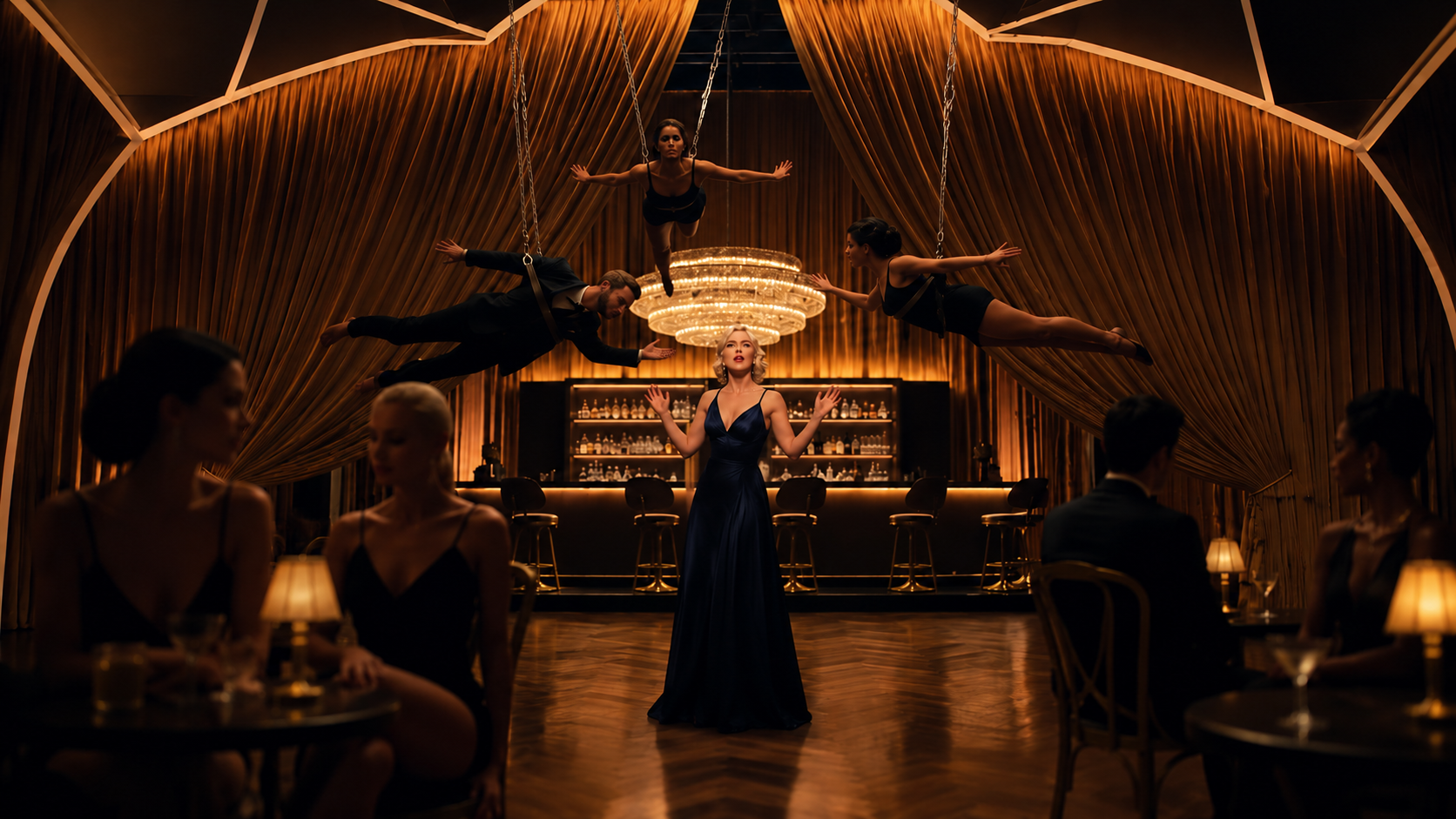
How to Create a Viral AI Music Video Like Olivia Dean's Man I Need
In this article, we'll break down Man I Need from the perspectives of cinematography, color, set design, and lighting, and explore how these creative techniques can be applied to AI music video creation.
In recent years, more and more music videos have embraced a "less is more" approach.
Without complicated storylines or flashy visual effects, these videos still manage to captivate audiences. Instead, they focus on the balance between cinematography, color, production design, and performance, using subtle visual storytelling to convey the song's emotion.
Olivia Dean's Man I Need is a perfect example.
Almost the entire music video takes place inside a studio, yet it creates a refined cinematic experience through restrained camera movement, a consistent visual aesthetic, and clever spatial design. For AI music video creators, it serves as an excellent creative reference worth studying.
If you're looking to create music videos with a similar visual style, Sondo AI is a great place to start. In this article, we'll break down Man I Need from the perspectives of cinematography, color, set design, and lighting, and explore how these creative techniques can be applied to AI music video production.
1. Man I Need: Creating a Premium Look Through Minimalist Design
Man I Need is a song by British singer-songwriter Olivia Dean, released on August 15, 2025, as the third single from her second studio album, The Art of Loving. Directed by Jake Erland, the music video was released alongside the single.
Unlike narrative-driven music videos, Man I Need focuses on atmosphere rather than storytelling. The director places Olivia Dean inside an ever-changing studio environment where different characters, furniture, and backdrops gradually transform as the camera moves, making the entire space feel like a continuously evolving stage.
Although the scenes change throughout the video, they never feel disconnected. Soft lighting, warm color grading, restrained camera movement, and compositions centered around the performer create a cohesive visual language from beginning to end. This "less is more" approach allows the music itself to remain the true focus of the visuals.
2. Why Does This Music Video Feel So Cinematic?
Cinematography: Letting the Camera Breathe with the Music
Man I Need avoids rapid editing in favor of slow dolly-ins, side tracking shots, and static wide shots.
The camera remains calm and steady, moving in sync with the rhythm of the song and naturally drawing viewers into Olivia's performance. Compared with more elaborate camera work, this restrained visual language creates a stronger cinematic atmosphere while giving the video a refined, premium feel.
Color: A Cohesive Warm Vintage Palette
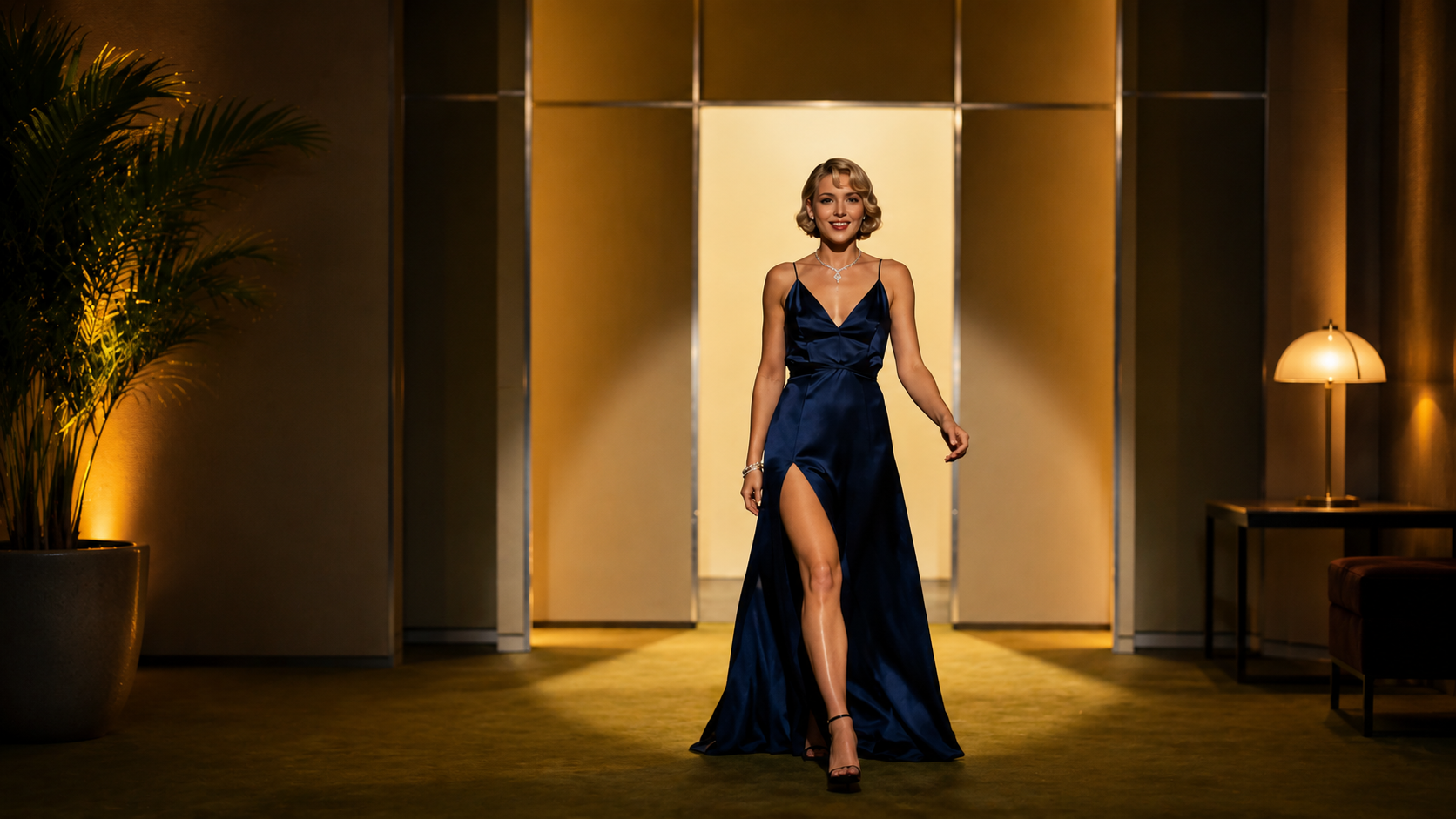
The music video features a palette of low-saturation warm tones, including cream, beige, warm brown, and olive green. These colors give the visuals both the warmth of vintage film and the elegance of an editorial fashion shoot.
More importantly, although each set features different props and layouts, they all follow the same color system. As a result, every frame feels as though it belongs to the same visual world, and this cohesive aesthetic is one of the key reasons the video feels so polished.
Set Design: A Studio Space Full of Transformation
One of the most distinctive aspects of Man I Need is not its camera movement, but its theatrical stage blocking.
Although almost the entire video is filmed in a studio, the director continuously rearranges furniture, backgrounds, character positions, and spatial layouts, allowing the same environment to evolve throughout the video. By combining actor blocking, set transitions, and subtle camera movement, the director creates the illusion of an almost continuous long take rather than relying on heavy post-production transitions. Compared with constantly changing filming locations, this approach reduces complexity while maintaining visual consistency.
The same principle can be applied to AI video creation. Instead of generating completely different environments for every shot, creators can build around a single visual theme and gradually transform the space by changing furniture, lighting, backgrounds, or character positions, resulting in a much more cohesive viewing experience.
Lighting: Soft Light Creates Atmosphere
The entire music video uses large, diffused soft lighting, producing natural skin tones, gentle shadows, and subtle rim lighting that separates the performer from the background.
Rather than relying on dramatic contrast, the lighting reinforces the emotional tone of the song through warmth and softness. Compared with harsh lighting and high-contrast visuals, this natural lighting style is especially suitable for pop, R&B, Soul, and similar genres.
3. How Can AI Music Videos Learn from This Style?
The biggest lesson AI music video creators can learn from Man I Need is not a specific camera technique, but how the director combines cinematography, space, and actor blocking to build a unified visual language.
As Olivia walks or pauses, the backgrounds, furniture, and relationships between characters subtly change, almost as if the stage is rotating around her. This design isn't about showing off technical skills—it visually reinforces the song's central theme: different people continue to appear while Olivia remains grounded in her own rhythm, waiting for the person who is truly right for her.
First, maintain a consistent camera language. Rather than introducing a new camera angle in every shot, build the entire video around a small set of movements, such as slow dolly-ins and side tracking shots, to establish a stable visual rhythm.
Second, define the overall color palette before generating your visuals. A unified warm tone, film-inspired grading, or low-saturation aesthetic can significantly improve the consistency of the final video.
For set design, there is no need to constantly switch locations. By working within a single studio space or one consistent environment, and varying the backgrounds, furniture, lighting, and character placement, creators can achieve rich visual variety while maintaining continuity.
Finally, prioritize lighting and character presentation. Compared with complex visual effects, soft natural lighting, consistent character appearance, and cohesive composition make it much easier for AI-generated videos to achieve a professional cinematic look.
Let's see how the generated video turned out.
https://youtube.com/shorts/NKJ4-9Nbgvs?feature=share
Create cinematic and artistic music videos with Sondo AI.
FAQ
1. How can Sondo AI help me create a music video similar to an R&B music video like Man I Need?
Sondo AI is powered by advanced AI models that make music video creation simple and efficient. Just upload your music file and click Create. Sondo AI automatically analyzes your song's style, rhythm, lyrics, and mood to create a music video tailored to your track. Whether you're creating an R&B music video or exploring other genres, Sondo AI is a powerful and easy-to-use AI music video generator.
2. Can Sondo AI generate an artistic cover image for my music video?
Absolutely! Sondo AI includes powerful AI image generation capabilities that can automatically create visually stunning cover art based on your song. The generated artwork is designed to match the mood and style of your music, helping your music video stand out across streaming platforms and social media.
3. Is Sondo AI one of the best AI music video generators?
Many creators and musicians consider Sondo AI to be one of the leading AI music video generators available today. With just one click, it can produce high-quality music videos tailored to your creative vision, making it a top choice for artists around the world. We are committed to providing every musician with an exceptional AI-powered music video creation experience and strive to be one of the best AI music video generators in 2026.